 How Small Businesses Can Use AI for Marketing
 What Is the Metaverse in 2026? Still Relevant?
 The Rise of Foldable Laptops: Gimmick or Future?
 What Is DeFi? Decentralized Finance Explained Simply
 Bitcoin vs Ethereum: Key Differences Explained
What Is a Crypto Wallet? Beginner’s Guide
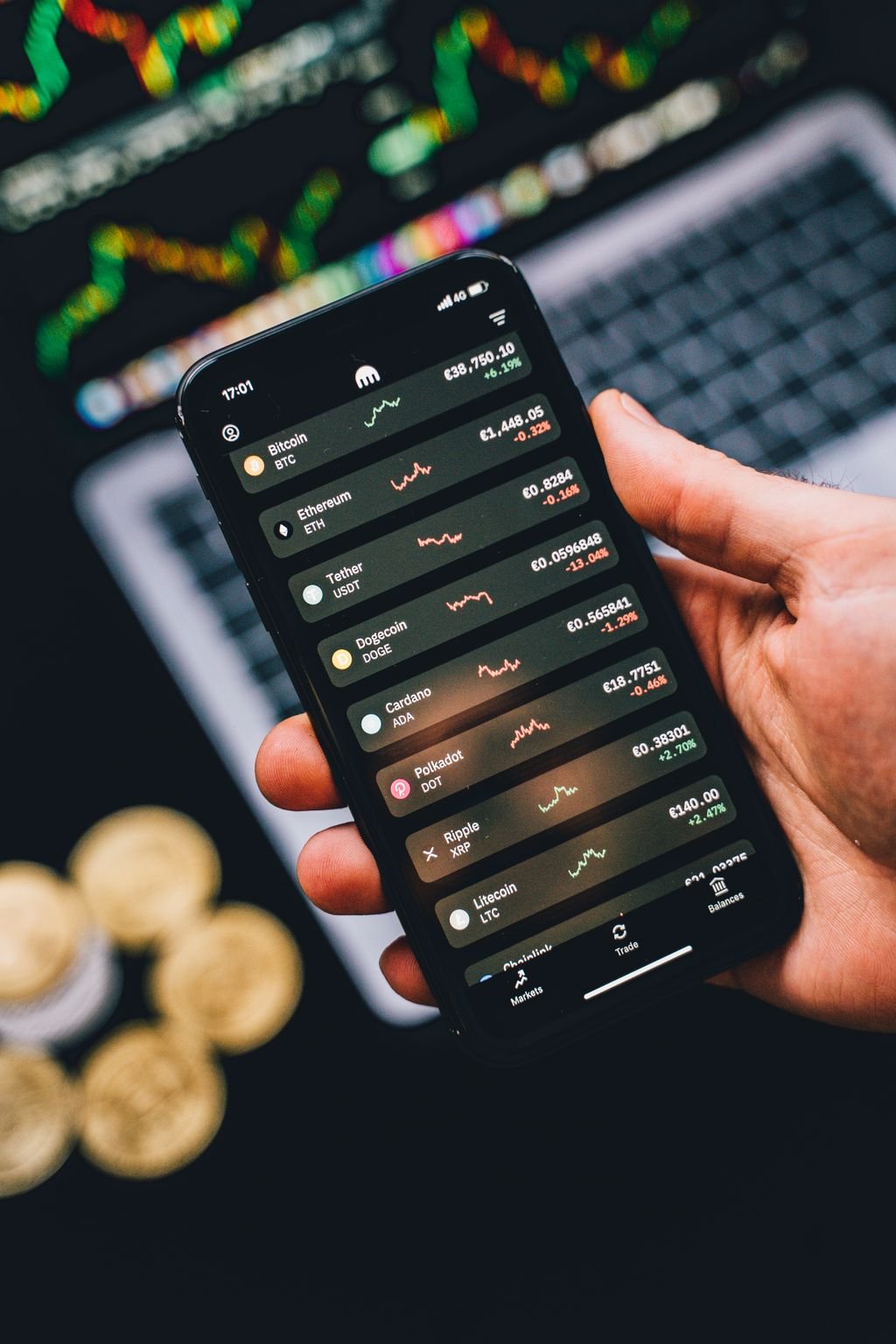
What Is a Crypto Wallet, Really?
Thinking about buying Bitcoin or Ethereum? You have probably heard the advice: “Get a crypto wallet first.” But what is a crypto wallet? Does it hold your coins like a leather wallet holds cash? This guide explains it in simple words.
A crypto wallet lets you store, send, and receive cryptocurrency. But here is the part that surprises almost every beginner: it does not actually hold your coins.
Your coins live on the blockchain, a public digital record that tracks who owns what. A wallet holds the keys that prove those coins are yours and let you move them. Think of it like the key to a safety deposit box. The box (the blockchain) holds the valuables, and the key (your wallet) is what gives you access. Lose the key, and you cannot open the box, even though your valuables are still inside.
How Does a Crypto Wallet Work?
Every wallet gives you three important things.
A public address. A long string of letters and numbers that works like an email address. You can share it freely. Anyone who wants to send you crypto uses this address, and sharing it does not give anyone access to your funds.
A private key. A secret code that proves you own the coins at your address and lets you approve transactions. Whoever holds the private key controls the funds. Never share it with anyone, not even a support agent, because no real company will ever ask for it.
A recovery phrase (seed phrase). Most wallets turn your private key into a list of 12 or 24 ordinary words, like “apple, river, mountain.” These words can rebuild your wallet on any device. Write them on paper and keep that paper somewhere safe. Never store them as a photo, in an email, or in a cloud note. Anyone who finds your recovery phrase can take your crypto, and if you lose it along with your device, your crypto may be gone for good, because most wallets have no “forgot password” button.
When you send crypto, your wallet signs the transaction with your private key, and the blockchain records it. Transactions are usually irreversible, so always double-check the address first.
Types of Crypto Wallets
Hot wallets vs. cold wallets. A hot wallet is connected to the internet. Mobile apps, desktop apps, and browser wallets are hot wallets: free and convenient for everyday use, but more exposed to malware and phishing. A cold wallet is kept offline. The best-known kind is a hardware wallet, a small device that looks like a USB stick and costs roughly $59 to $79. It is the safest option for larger amounts you plan to hold for a long time.
Custodial vs. non-custodial wallets. A custodial wallet means a third party, usually a crypto exchange, holds your keys for you. When you buy crypto on an exchange and leave it there, that is a custodial wallet. It is the easiest starting point, and you can reset a forgotten password, but you are trusting the exchange with your money. A non-custodial (self-custody) wallet means you hold your own keys: nobody can freeze your funds, but nobody can help you recover them either.
Here is a quick comparison. An exchange (custodial) wallet is free and best for first purchases; the main risk is exchange failure or a frozen account. A mobile or desktop app (hot wallet) is free and best for everyday use and small amounts; the main risk is malware and phishing. A hardware wallet (cold wallet) costs from about $59 and is best for larger amounts and long-term holding; the main risk is losing the recovery phrase.
Which Wallet Should a Beginner Choose?
If you are just starting out and want to buy a small amount to learn, an exchange wallet is fine. Pick a large, well-known exchange, turn on two-factor authentication, and keep only an amount you can afford to lose. If you plan to use crypto regularly, a free mobile wallet gives you more control. If you are putting serious money in and plan to hold it for months or years, a hardware wallet is worth the cost.
How to Set Up a Crypto Wallet: Step by Step
- Choose your wallet type using the guide above, and download the app or buy the device only from the official website or app store. Never install a wallet from a link in an email or ad, since fake wallet apps are a common scam.
- Create your wallet and write down the 12 or 24-word recovery phrase on paper, in order. Store the paper somewhere safe, away from your phone and computer.
- Set a strong PIN or password and turn on two-factor authentication where it is offered.
- Send a small test amount first, for example $10 worth of crypto, and confirm it arrives before sending a larger amount. This prevents the most painful beginner mistake, since a wrong address or network usually cannot be undone.
- Check the network. Bitcoin goes to a Bitcoin address and Ethereum to an Ethereum address. Sending coins on the wrong blockchain network is one of the easiest ways to lose money.
Common Beginner Mistakes
Sharing your recovery phrase. No support team, giveaway, or “verification” process will ever need it. Anyone who asks is trying to steal from you.
Screenshotting your seed phrase. A photo can be stolen by malware or uploaded to the cloud by accident. Paper is safer.
Skipping the test transfer. Sending a large amount to an address you have never used before is a gamble. A $10 test costs a small network fee and can save you hundreds.
Are Crypto Wallets Safe?
A wallet is as safe as the person using it. Hardware wallets are very hard to hack remotely, and a paper recovery phrase cannot be stolen by a virus. Most losses happen the low-tech way: a lost phrase, a phishing link, or a rushed transfer. Treat your recovery phrase like the keys to your house, and never rush a transaction.
Frequently Asked Questions
Do I need a crypto wallet to buy crypto?
Not at first. You can buy on an exchange and leave the coins there. But most experienced users move their crypto to a wallet they control.
Is a crypto wallet free?
Software wallets are usually free; you only pay network fees when you send crypto. Hardware wallets cost money, typically from about $59.
Can I lose my crypto if I lose my phone?
Not if you have your recovery phrase: you can restore the wallet on a new device with those 12 or 24 words. Without the phrase, the crypto may be unrecoverable.
The Bottom Line
A crypto wallet is not a vault for coins. It is the set of keys that proves your crypto is yours and lets you move it. Start with a simple exchange or mobile wallet, learn with small amounts, guard your recovery phrase, and always send a test transfer first.
This article is for education only and is not financial advice. Cryptocurrency is high-risk, and you can lose the money you put in.






1 thought on “What Is a Crypto Wallet? Beginner’s Guide”
Comments are closed.