 How to Start an Online Store With No Money
 How Small Businesses Can Use AI for Marketing
 What Is the Metaverse in 2026? Still Relevant?
 The Rise of Foldable Laptops: Gimmick or Future?
 What Is DeFi? Decentralized Finance Explained Simply
How Small Businesses Can Use AI for Marketing
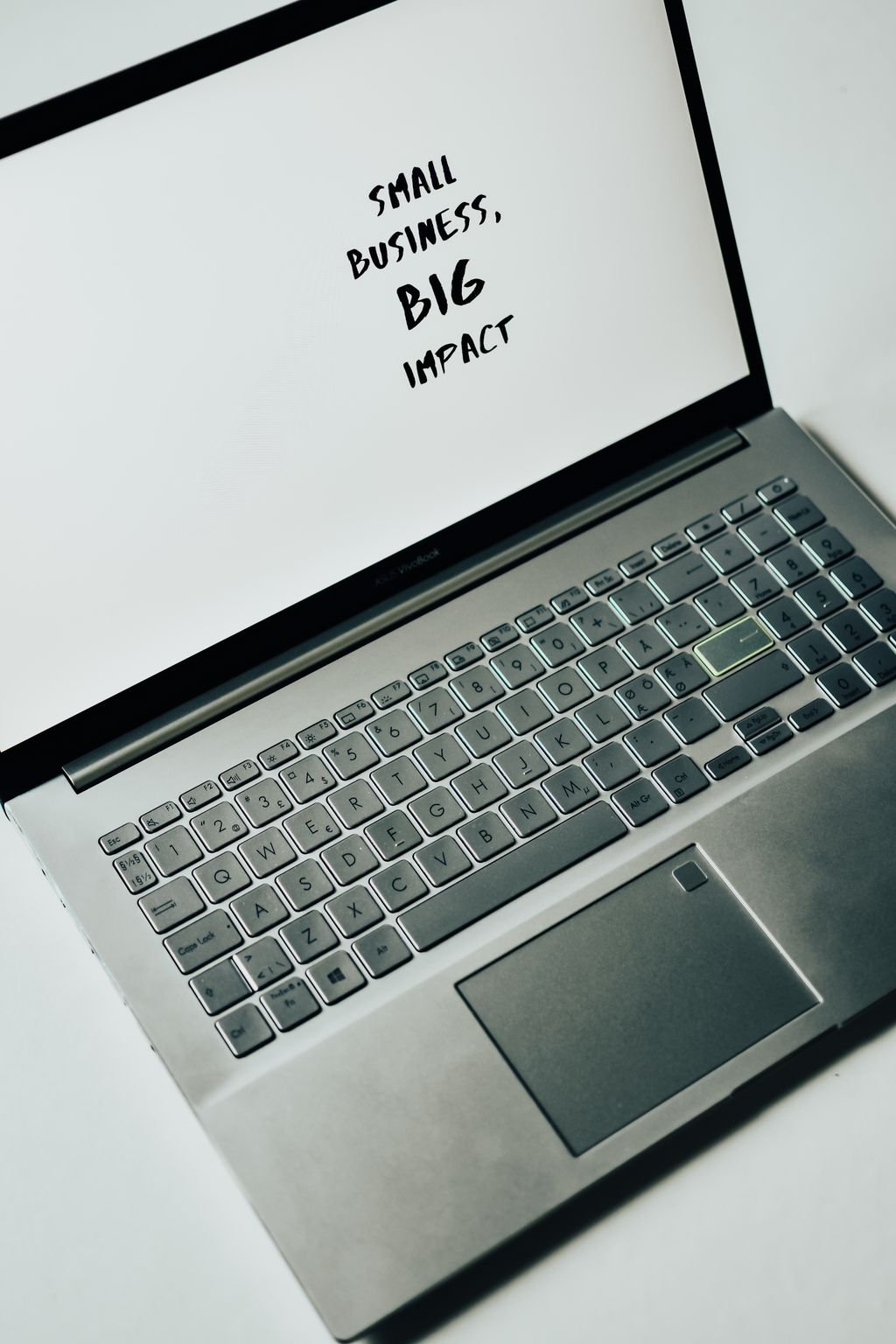
AI for marketing sounds expensive and complicated, but for most small businesses it is neither. It simply means using smart software to help with everyday marketing jobs — writing a first draft, answering common customer questions, or planning social media posts. You need one clear goal and one free tool to start.
What AI Marketing Really Means
AI marketing is not a robot taking over your business. It is software that can write, sort, predict, or answer questions, used to make your marketing faster and more personal. You stay in charge: AI writes the first draft, but you check the facts, fix the tone, and press send. That is also how AI is changing the way small businesses work — the tool handles volume, and you handle judgement.
Why Small Businesses Should Care in 2026
Small businesses compete against bigger companies with larger teams and bigger budgets, and AI helps close that gap. A one-person shop can now produce a week of posts in an hour and answer customers at midnight. Time is the biggest win. Most owners handle marketing alongside sales, operations, and customer service, so AI taking over the repetitive parts frees up hours for the work that grows the business.
7 Practical Ways Small Businesses Can Use AI for Marketing
- Write blog posts and website copy faster. AI tools like ChatGPT or Claude can turn a few bullet points into a solid first draft of a blog post or product description. Then edit the draft yourself. Never publish an AI draft untouched — check every fact and add a real example from your own business. Our guide to free AI tools for small businesses lists several options you can try for free.
- Plan and write social media posts. Instead of writing one post at a time, sit down once a week and plan the whole week in one batch. Ask an AI tool to turn one idea into five posts — a tip, a question, a customer story, a behind-the-scenes caption, and a short offer. Buffer can then schedule them across Facebook, Instagram, and LinkedIn, and Canva can make simple images to go with them.
- Send better emails without starting from a blank page. Email is still one of the best ways to bring customers back, but writing every email from scratch takes too long. AI in tools like Mailchimp can suggest subject lines, draft email copy, and group your customers — regular buyers, people who have not opened your last few emails, and first-time visitors. Learning to use AI to write better emails is a good place to start.
- Make images and short videos. You do not need a designer for every post. Canva’s free plan can create social media graphics, and AI image tools can produce simple product shots. Keep it simple: one clear message, one product, and your real shop or team in the frame.
- Answer customer questions day and night. A simple AI chatbot on your website or Facebook page can answer the questions you hear every day — opening hours, prices, delivery times, and booking details. It handles the easy questions instantly and passes the harder ones to you.
- Run smarter ads with a small budget. Ad platforms like Google and Meta already use AI to find people similar to your existing customers, and AI tools can write several versions of an ad so you can test which one works best. Start with a tiny daily budget, test two or three versions of the same ad, and keep only the winner.
- Understand what is working. AI analytics tools can read your numbers and explain them in plain language: which posts brought visitors, which emails led to sales, and which pages people leave quickly. Instead of guessing, you can see what to do more of and what to stop.
Start With a Plan, Not a Tool
The biggest mistake is buying tools before you know what you want them to do. First write down three things: your main goal for the next three months, who your best customers are, and the one marketing job that eats most of your time. Pick that one job first. Experts who write about how to build an AI marketing strategy make the same point: the strategy comes first, and the tools follow it.
What Does It Cost?
A useful AI marketing setup can cost nothing to start. ChatGPT and Claude both have free plans, Buffer covers up to three social channels free, Canva is free for basic designs, and Mailchimp is free for small lists. When you are ready to spend, a small setup of around 40 to 50 dollars a month covers a lot: a paid AI writing plan at about 20 dollars a month and a social scheduling plan at about 15 dollars a month.
A Simple 30-Day Plan to Get Started
Week 1: Pick your goal and your one boring job, write your one-page brand note, and set up one free AI tool. Week 2: Use the tool every day on that one job — draft a week of social posts or write two blog posts. Week 3: Add a second job, such as email, and send one AI-assisted email to your customers. Week 4: Look at the numbers. What saved you time? What got a response? Keep the two workflows that worked, drop the rest, and repeat them next month. This kind of data and AI can power full-lifecycle marketing only works when your customer records are clean and in one place.
Mistakes to Avoid
Do not publish AI text without checking it. AI can invent facts, prices, and details that sound right but are wrong, and your customers will notice. Do not expect overnight results: AI marketing saves time from the first week, but sales growth takes a few months of steady effort.
Conclusion
AI for marketing is a practical helper for small businesses, not a luxury for big companies. Start with one goal, pick the job that wastes most of your time, and use a free tool to do the first draft while you keep control of the final version. Add a second tool only when the first one is saving you real hours.
FAQs
What is AI for marketing in simple words?
AI for marketing means using smart software to help with marketing tasks, while a human stays in charge of the final decisions.
Can small businesses use AI for marketing for free?
Yes. ChatGPT, Claude, Buffer, Canva, and Mailchimp all offer free plans that cover the basics.
Which AI tool is best for small business marketing?
There is no single best tool. ChatGPT or Claude is good for writing, Buffer for scheduling posts, Canva for images, and Mailchimp for email.
Will AI replace human marketers in small businesses?
No. AI handles repetitive drafts and data, but it cannot know your customers or your business the way you do.
How long does it take to see results from AI marketing?
You can save time from the first week, but sales results usually take two to three months of steady use.