 How to Start an Online Store With No Money
 How Small Businesses Can Use AI for Marketing
 What Is the Metaverse in 2026? Still Relevant?
 The Rise of Foldable Laptops: Gimmick or Future?
 What Is DeFi? Decentralized Finance Explained Simply
How to Send Money Abroad With Low Fees in 2026
Learn how to send money abroad with low fees in 2026: compare Wise, Remitly, and OFX, check the real exchange rate, avoid hidden charges, and keep more of your money.
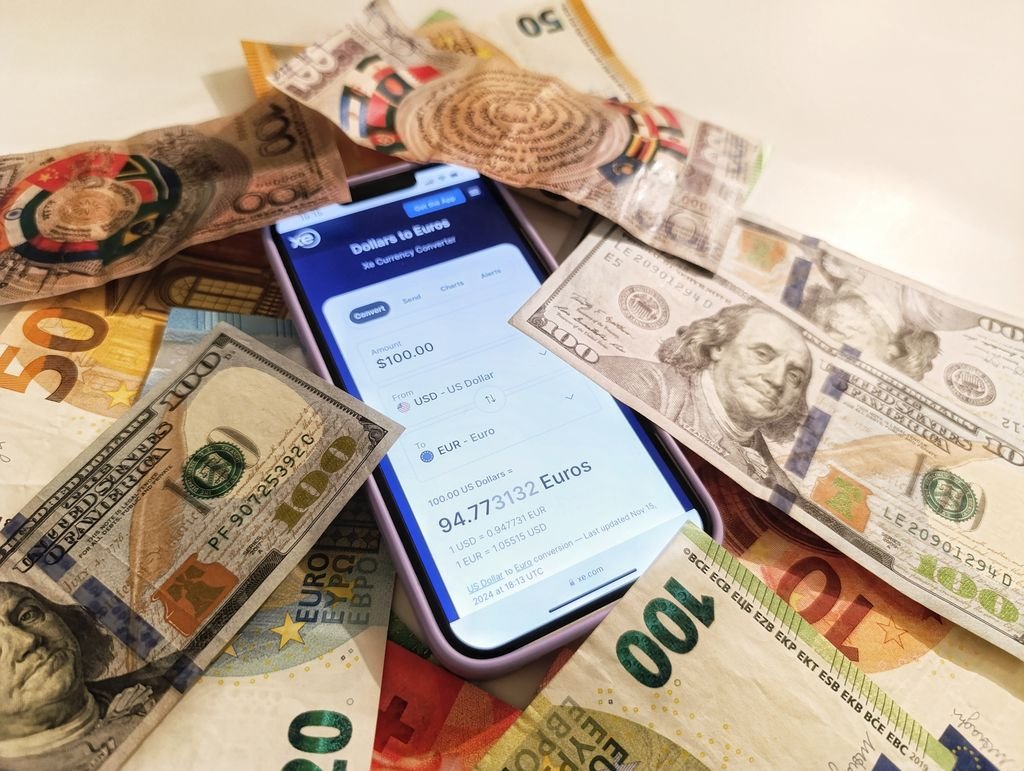
Learning how to send money abroad with low fees can save you a surprising amount of money. Whether you are supporting family, paying for studies, or paying a freelancer in another country, the same transfer can cost very different amounts depending on the service you choose. In 2026, you no longer need to accept the high charges and poor exchange rates that many traditional banks still offer. With a little comparison and the right provider, most people can send money abroad quickly, safely, and for a small fraction of the old cost.
The cheapest way to send money internationally is not always the service that advertises zero fees. A transfer has two main costs: the upfront fee and the exchange rate. The fee may be a flat amount, such as five dollars, or a percentage of the amount you send. Many providers also add a hidden margin to the exchange rate, so the recipient gets less than they should. A service with no fee can still be expensive if it gives a weak rate. The real cost is the amount your recipient receives compared with the amount you paid.
That is why the mid-market exchange rate matters. It is the real rate banks use when they trade currencies with each other. Services such as Wise use the mid-market rate and show the fee separately, so you can see exactly what you pay and what your recipient will receive before you send. On a transfer of one thousand dollars, a three percent difference in the rate is thirty dollars lost. On larger transfers, the loss grows fast, so always check the final amount, not just the headline fee.
How to Send Money Abroad With Low Fees: A Simple Step-by-Step Guide
Start by deciding how much you want to send, in which currency, and how the recipient wants to receive it. A bank deposit is usually the cheapest option. Cash pickup can help when the recipient has no bank account, but it often costs more. A mobile wallet transfer can be fast where those wallets are common. Then compare at least three providers for the same amount on the same day, because exchange rates move every day. Check the amount the recipient will receive, the rate, the fee, and the delivery time.
Bank transfers funded from your bank account are often the cheapest way to fund a transfer, while paying by debit card can be faster but slightly more expensive. Paying by credit card is usually the most expensive option, because many card issuers treat it as a cash advance and add interest straight away. Most regulated providers will also ask for your name, address, and a photo ID, especially for larger amounts. This is normal and helps protect your money from fraud. Keep the recipient details exact, save the tracking number, and share it with the recipient.
Wise, Remitly, OFX, and Other Providers Compared
Wise is a strong choice for many people because it uses the mid-market rate, charges a clear percentage fee, and often delivers money within hours. It suits regular transfers, such as monthly support for family or payments to freelancers. Its main limit is that it does not offer cash pickup in most places, so it works best when the recipient has a bank account.
Remitly is popular for sending money to family, especially to countries in Asia, Latin America, and Africa. It shows the exact amount the recipient will get before you send, and it offers bank deposit, cash pickup, and mobile wallet delivery in many places. Its economy option can be cheaper if you are willing to wait a little longer, while its express option is faster but can cost more.
OFX is a good option for large transfers, such as paying for property or moving savings when you relocate. It often charges no transfer fee for sending US dollars internationally, and it can lock in a rate in advance, which protects you if the rate moves against you. For small transfers, however, it may be less attractive than Wise or Remitly. PayPal is convenient if both people already have accounts, yet its fees and rate margin can be high. Western Union is useful for cash pickup, but its rate can add cost. Traditional banks are usually the most expensive choice, with wires costing twenty-five to fifty dollars plus a poor rate.
Which Is Cheapest for You?
The cheapest provider depends on the amount, the destination, and the speed you need. For one hundred to two hundred dollars, a service with a low flat fee and a fair rate, such as Wise or Remitly, is often best. For one thousand dollars, the exchange rate matters more than a small flat fee, so a provider using the mid-market rate can win even if its stated fee is slightly higher. For more than five thousand dollars, OFX is worth checking, because a small rate improvement can save hundreds of dollars. Sending to the United Kingdom, the euro area, Canada, or Australia is usually cheap and fast, while smaller markets can cost more.
Practical Tips Most Guides Miss
Avoid sending money on weekends when markets are closed if you can, because some providers use a less favourable rate then. If you send money every month, send on the same day each month and compare the same two providers each time. You will soon learn which one is usually cheaper for your route. Avoid converting money twice, and read the final screen before you confirm: it should show the amount you pay, the fee, the rate, the amount the recipient gets, and the arrival time. If any of these are missing, do not send yet. Some providers also offer a zero fee for the first transfer, then charge more later, so check the regular price too. Use only licensed, well-known providers, and never send money to a stranger who contacted you online. Keep receipts and tracking numbers, and never share your login codes or passwords.
Frequently Asked Questions
What is the cheapest way to send money abroad? For most people, it is an online specialist such as Wise, Remitly, or OFX, funded by bank transfer. Compare the final amount the recipient receives, not only the fee.
How long does an international transfer take? It can take minutes, hours, or up to three working days. Card payments and mobile wallets are often fastest, while bank transfers can take longer but cost less.
Is it safe to send money online? Yes, when you use a licensed provider, a secure connection, and the correct recipient details. Avoid public Wi-Fi for payments, use two-factor authentication, and keep your tracking number safe.
In short, compare the total cost, not just the fee, use the mid-market rate as your guide, fund the transfer from your bank when you can, and pick the provider that fits your amount and destination. Wise is a strong all-round choice, Remitly is strong for family transfers and cash pickup, and OFX is strong for large amounts. Those small habits can save you hundreds of dollars a year, and they make sure more of your money reaches the people who need it.







1 thought on “How to Send Money Abroad With Low Fees in 2026”
Comments are closed.