 How Small Businesses Can Use AI for Marketing
 What Is the Metaverse in 2026? Still Relevant?
 The Rise of Foldable Laptops: Gimmick or Future?
 What Is DeFi? Decentralized Finance Explained Simply
 Bitcoin vs Ethereum: Key Differences Explained
Smartwatch vs Fitness Band: Which Should You Buy in 2026?
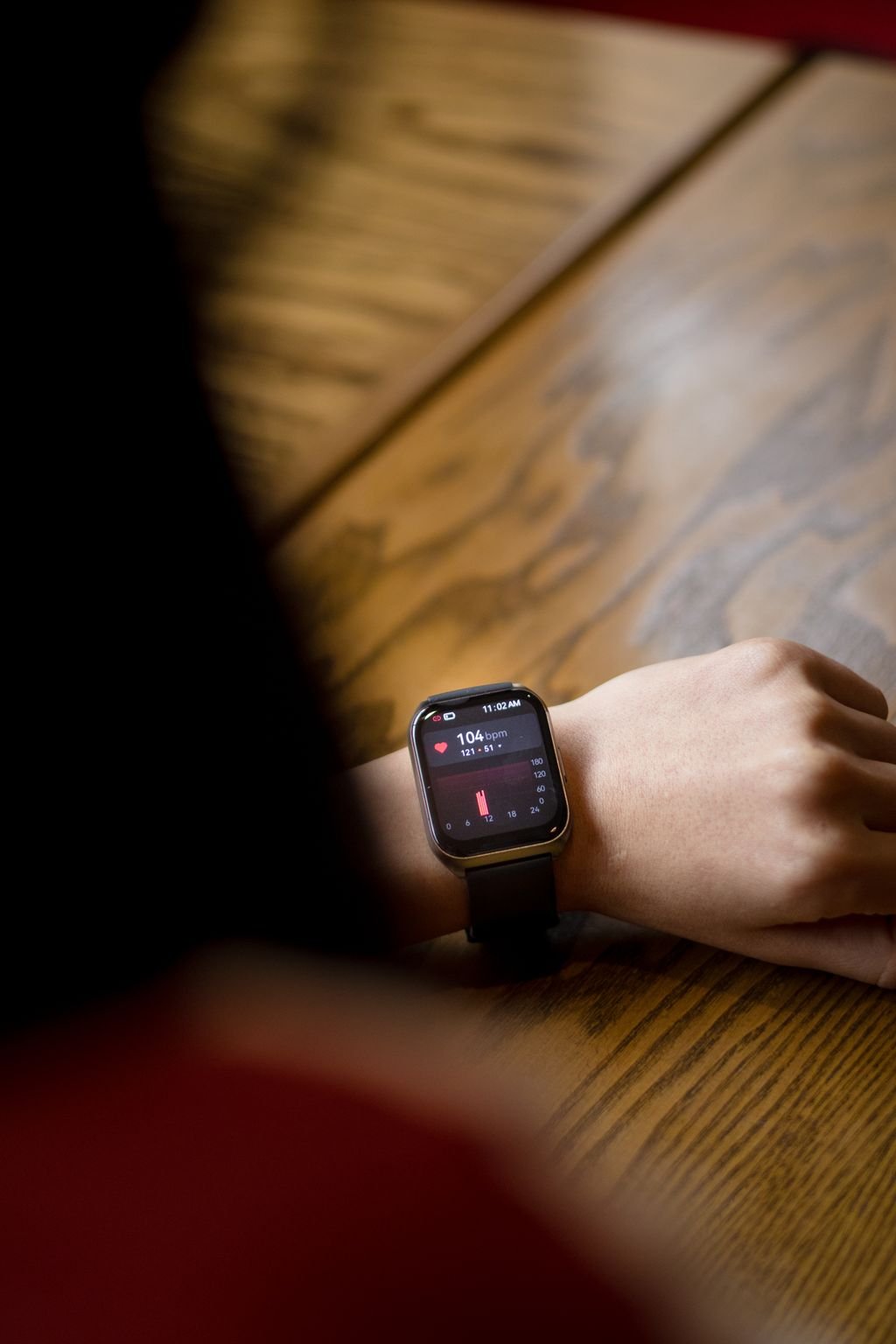
If you are shopping for something to wear on your wrist, you will quickly run into the same question: smartwatch vs fitness band — which one is actually worth your money? Both track steps, heart rate and sleep, but they are built for different people. A fitness band is a small, light tracker built for one job: watching your health and activity. A smartwatch is a small computer on your wrist that also happens to track your health. Once you know which job matters more to you, the decision almost makes itself.
Smartwatch vs Fitness Band: The Quick Answer
Buy a fitness band if your main goal is tracking steps, workouts, sleep and heart rate, and you want something cheap, light and charged about once a week. Buy a smartwatch if you want to reply to messages, use apps, pay from your wrist and get safety features like fall detection, and you do not mind charging it every day or two. For most people who mainly care about health and fitness, a fitness band is the better buy — a smartwatch earns its higher price only when you will genuinely use its apps, calls and payments every day.
What Is a Fitness Band?
A fitness band is a slim strap with a small screen — or sometimes no screen at all — and a set of sensors underneath. Its job is simple: count your steps, measure your heart rate, track your workouts, watch your sleep and show you the results in a phone app. Popular examples in 2026 include the Fitbit Charge 6, the Garmin vivosmart 5 and the Xiaomi Smart Band 10. Prices usually sit between $70 and $160, with 7 to 21 days of battery per charge. It is also the most comfortable option for sleep.
What Is a Smartwatch?
A smartwatch is a fitness tracker with a phone’s tools added. It has a full touchscreen, runs apps, shows and replies to notifications, handles calls, stores music, gives you maps and lets you pay in shops without taking out your phone. Popular models in 2026 include the Apple Watch Series 12, the Samsung Galaxy Watch 9 and the Google Pixel Watch 5, with prices roughly from $250 to $800. Many models also offer ECG readings, alerts for an irregular heart rhythm, fall detection and emergency SOS calling — genuinely useful features, especially for older users or anyone who exercises alone. The trade-off is battery life: most smartwatches need charging every one to two days.
Price: The Biggest Gap
A good fitness band costs about the same as a pair of decent shoes. A good smartwatch costs about the same as a budget phone. But the sticker price is not the whole bill. Some trackers charge a monthly subscription on top of the purchase price — the Oura Ring, for example, charges a $5.99 monthly membership, and some fitness bands lock deeper sleep and recovery insights behind a yearly plan. Before you buy, add up what two years will actually cost, device plus subscription. As a rule of thumb: under $100, buy a fitness band; between $100 and $250, you can choose a premium band or an entry-level smartwatch; above $250, you are firmly in smartwatch territory.
Battery Life: Days vs Hours
A fitness band typically lasts a week or more, so you can wear it through a holiday or a week of workouts without thinking about a charger. A smartwatch usually needs to be charged every night or every second night. That matters more than it sounds: a tracker only helps you if you wear it, and a device that is always on the charger is not tracking anything.
Health Tracking: How Accurate Are They?
Both devices use similar sensors, so for basic tracking they are closer than the marketing suggests. Step counts, resting heart rate and workout duration are generally reliable on both. But one honest warning: wrist trackers estimate calorie burn poorly. In one test of seven devices, none measured energy expenditure within 20 percent of the laboratory result, so treat the calorie number as a rough guide, not a fact. Heart rate is more useful during steady exercise, but wrist readings can drift during hard workouts. In a Cleveland Clinic study, a chest strap matched an EKG closely, while wrist devices were off by 15 to 34 beats per minute at high intensity. If precise heart rate data matters to you, a chest strap is still the most accurate tool. The same health technology that helps hospitals monitor patients is now small enough to wear on a wrist — read more about how hospitals use AI in healthcare.
The Line Is Blurring in 2026
The difference between the two is shrinking every year. Fitness bands now carry features that used to belong to smartwatches — the Fitbit Charge 6 has built-in GPS — while smartwatches keep adding deeper health metrics. So read the spec sheet, not the category name: check the battery rating, the subscription cost, and whether it has GPS.
Which One Should You Buy?
Choose a fitness band if you mainly want to track steps, sleep, heart rate and workouts, hate charging devices, or want to spend under about $160. Choose a smartwatch if you want to read and reply to messages without your phone, want apps, maps and wrist payments, or value safety features like fall detection and emergency SOS.
Pairing a fitness band with a good pair of budget earbuds often gives you more value than spending the same money on a watch alone — see our roundup of the best wireless earbuds under $50. And if you are curious about the other end of wearable tech, our guide to whether smart rings are worth it explains when a ring beats both a watch and a band for sleep tracking.
Frequently Asked Questions
Is a smartwatch worth it if I already have a phone?
It depends on how often your phone is out of reach. If you work with your hands or run without a phone, a smartwatch is genuinely useful. If your phone is always in your pocket, a band gives you the health data for far less money.
Do fitness bands need a subscription?
Some do. Basic tracking is usually free, but deeper sleep and recovery scores may sit behind a monthly or yearly plan. Always check before you buy.
How long does a fitness band battery last?
Most bands last 7 to 14 days, and some models are rated up to 21 days. Smartwatches usually last 1 to 2 days.
The Bottom Line
The smartwatch vs fitness band question has no single winner, and that is good news: both are good products now. If your goal is simple — get healthier, track your workouts and stay consistent — a fitness band is the smarter buy: cheaper, lighter and charged about once a week. If your goal is broader — stay connected, use apps, pay from your wrist and have safety features watching over you — a smartwatch is worth the extra money and the daily charging. Pick the type first and the model second, and remember the real secret of fitness trackers: the best one is the one you actually wear every day.