 How to Start an Online Store With No Money
 How Small Businesses Can Use AI for Marketing
 What Is the Metaverse in 2026? Still Relevant?
 The Rise of Foldable Laptops: Gimmick or Future?
 What Is DeFi? Decentralized Finance Explained Simply
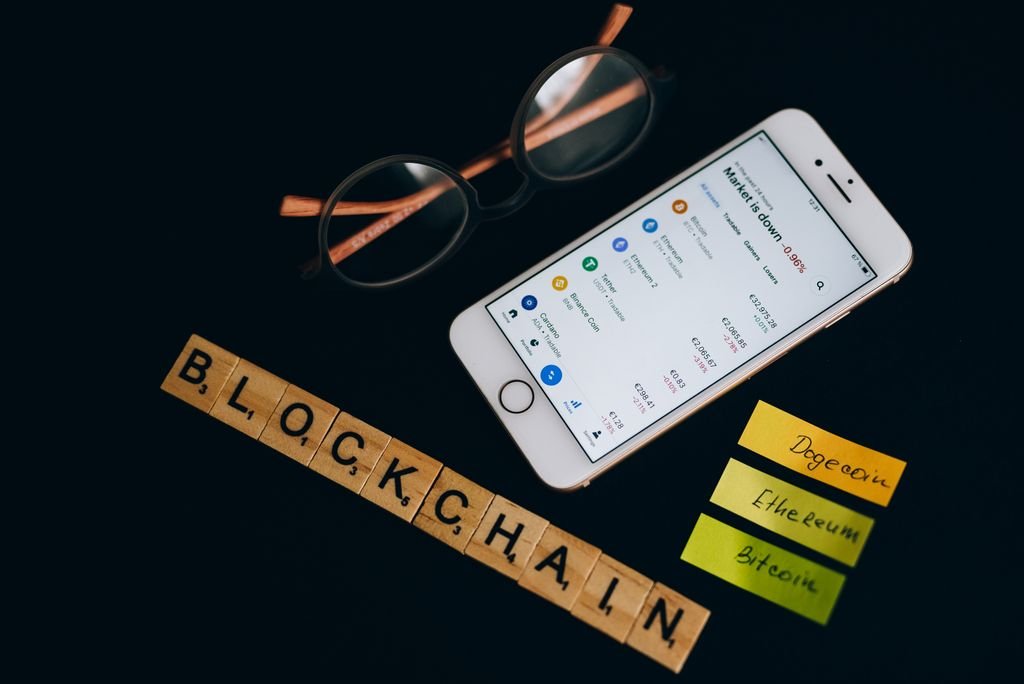
What is DeFi? DeFi, short for decentralized finance, is a new way of using financial services like saving, lending, borrowing, and trading without a bank in the middle. Instead of a bank controlling the system, DeFi uses smart contracts, software programs that run on a blockchain. Anyone with a smartphone and internet can use them, any time, from anywhere. This guide explains how it works, what you can do with it, and the risks to know first.
DeFi in Simple Words
Think about how normal finance works. To send money abroad, your bank passes it through several middlemen, each taking a fee, and the transfer can take days. To get a loan, you fill in forms and wait while the bank decides whether you qualify. DeFi removes most of these middlemen: the rules are written in code that runs by itself on a public blockchain. There is no office, no opening hours, and no manager who can say no.
Think of it like a vending machine. A normal bank is a shop with staff: you queue, you ask, and someone serves you. DeFi is the vending machine: you put in money, press a button, and get what you asked for, instantly, day or night. Every transaction is recorded on a public ledger anyone can check. If you are new to this technology, our guide on what blockchain is in simple words explains the basics first.
How Does DeFi Actually Work?
DeFi runs on three main pieces. The first is the blockchain, most often Ethereum, which acts as the shared record book. The second is the smart contract, a program on the blockchain that follows its instructions automatically: a lending contract can hold your deposit, pay interest, and return your money when you ask, with no human in between. The third piece is the wallet, your personal key to the system. You connect your wallet to a DeFi app, also called a dApp, and approve each transaction yourself.
Here is a simple example. Suppose you want to swap one cryptocurrency for another. You open a decentralized exchange app, connect your wallet, and choose the two coins and the amount. The app shows the rate and the fee. You approve the transaction, and the smart contract completes the swap in seconds. No account, no email signup, no waiting. Your funds stay in your wallet until the trade happens, unlike a normal exchange that holds your money. To learn how these wallets work, read our beginner’s guide to what a crypto wallet is.
What Can You Do With DeFi?
Lending and borrowing is one of the biggest uses of DeFi. You can lend your crypto to others through a smart contract and earn interest, or borrow by locking up some of your own coins as collateral. Rates change automatically with supply and demand, and you can see them live on the app.
Trading is another big use. Decentralized exchanges let you swap tokens directly from your wallet. Instead of a company matching buyers and sellers, they use liquidity pools, shared pots of crypto locked in a smart contract. Anyone can add crypto to a pool and earn a share of the trading fees. Stablecoins also play a key role: these cryptocurrencies are designed to stay close to one US dollar, so people can hold money in DeFi without wild price swings. Most DeFi apps run on Ethereum, so it helps to know how the two biggest cryptocurrencies differ; our article on Bitcoin vs Ethereum explains it clearly.
DeFi vs Traditional Banks
The biggest difference between DeFi and a bank is who is in control. A bank is a company with staff, rules, and opening hours. It can freeze your account or refuse your application. DeFi is software that runs all day, every day, for every user the same way. You need no credit score, minimum balance, or permission to start. This matters most where banking is slow, expensive, or hard to access.
On the other side, banks offer something DeFi does not: a safety net. If someone steals money from your bank account, the bank can often help you get it back. In DeFi, there is no customer service desk. If you send money to the wrong address or approve a bad smart contract, the transaction cannot be undone. It is a similar trade-off to digital banks vs old ones, which we explored in our article on neobanks vs traditional banks. DeFi is faster and more open, but traditional banks are safer and easier for most people right now.
The Benefits of DeFi
DeFi has several real benefits. First, it is open to everyone: no bank account, ID check, or credit history is needed. Second, it never closes: markets run 24 hours a day, seven days a week. Third, fees can be lower because fewer middlemen take a cut. Fourth, everything is transparent: the code and transactions are public, so anyone can check how a service works instead of trusting a company’s promise. Finally, DeFi apps work together like building blocks, so developers can combine them into brand-new services without asking permission.
The Risks You Should Know
DeFi is not risk-free. Smart contracts are software, and software can have bugs. Hackers have stolen millions from DeFi apps by finding mistakes in the code, and stolen money is usually gone forever. Scams are common too: fake apps and tokens trick people into sending crypto away. Prices are also very volatile, so a loan that looks safe today can turn risky tomorrow if your collateral drops in value.
There is also the risk of losing access. In DeFi, you are your own bank. If you lose your wallet password or recovery phrase, nobody can reset it, and your money is locked forever. As guides like Coinbase’s beginner’s guide to DeFi recommend, treat DeFi as a learning experience first and an investment second, and never put in money you cannot afford to lose.
How to Start With DeFi Safely
If you want to try DeFi, start small and go slowly. First, learn crypto wallet basics and keep your recovery phrase safe, offline, and private. Second, pick well-known apps that have run for years and had their code checked by independent security experts. Third, begin with a tiny amount, just enough to learn how a swap works. Fourth, double-check every website address before connecting your wallet, because fake copies of popular DeFi apps are a common scam. Finally, keep learning from trusted sources like the beginner’s guide to DeFi, and never trust an app just because someone promised high returns online. In DeFi, very high promised returns usually mean very high risk.
Frequently Asked Questions
Is DeFi the same as cryptocurrency? No. Cryptocurrency is digital money, like Bitcoin or Ethereum. DeFi is the system of financial services built on top of blockchains, using that digital money for lending, trading, and saving.
Do I need a bank account to use DeFi? No. You only need a crypto wallet and an internet connection. That is why DeFi is popular where banking is hard to access.
Conclusion
DeFi rebuilds everyday financial services as open software on a blockchain. It offers speed, access, and transparency that banks cannot match, but it hands all the responsibility to you. For beginners, the best approach is to learn first, start small, and use only trusted apps. Used carefully, it is one of the most interesting ideas in modern finance.