 How to Start an Online Store With No Money
 How Small Businesses Can Use AI for Marketing
 What Is the Metaverse in 2026? Still Relevant?
 The Rise of Foldable Laptops: Gimmick or Future?
 What Is DeFi? Decentralized Finance Explained Simply
Digital Wallets Replacing Cash in Everyday Payments
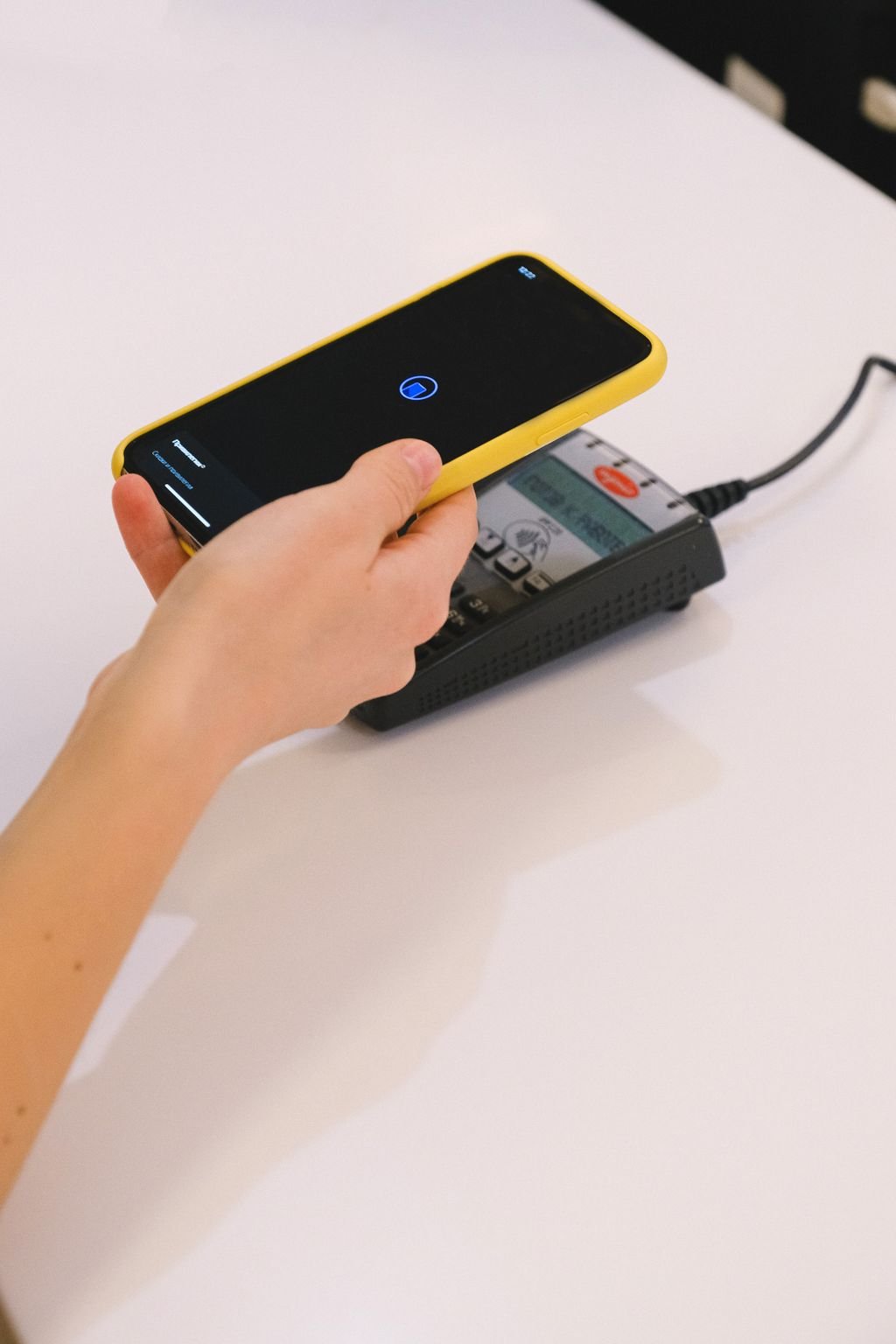
Digital wallets replacing cash is now an everyday reality for millions of shoppers. The wallet in their pocket is no longer made of leather — it lives on their phone, and it is quietly changing how money moves. From street vendors to large retailers, digital wallets are now accepted almost everywhere, and many consumers say they rarely carry cash at all.
The shift has been building for years, but it has accelerated as smartphones and fast mobile internet have become common. Paying with a phone is faster than counting notes, it leaves a clear record of every purchase, and it removes the risk of losing cash. For small businesses, it also means no more searching for change and no more trips to deposit the day’s takings at the bank.
Behind the simple tap or scan is a growing network of banks, payment processors and technology companies. They are competing to make checkout quicker and safer, adding fingerprint and face recognition, instant receipts and spending alerts. Contactless payments, QR codes and one-tap online checkout have all become part of everyday life.
Security remains the biggest question for new users. Experts say digital wallets can be safer than carrying cash, because a lost phone can be locked remotely and transactions usually require a PIN or biometric check. Still, users are advised to keep their phone software updated, use strong passwords and check their statements regularly.
The change is not only about convenience. In many places, digital wallets are bringing people into the formal financial system for the first time. Someone without a traditional bank branch nearby can still receive payments, save money and pay bills through a wallet linked to a mobile number.
Retailers are adapting too. Shops that once accepted only cash are adding QR codes at the counter, while online stores report that wallet payments now account for a large share of checkouts. Loyalty points, discounts and cashback offers built into wallet apps are giving shoppers another reason to switch.
Not everyone is ready to give up cash completely. Older shoppers and people in areas with weak internet coverage still rely on notes and coins, and outages can leave wallet users stranded. For now, most experts expect the two to exist side by side.
But the direction is clear: digital wallets replacing cash will keep gathering pace. As wallets add more features, from transport tickets to identity documents, they are becoming a single place to manage daily life. They are also different from a crypto wallet, which stores digital assets rather than bank cards. Cash may not disappear tomorrow, but for a growing number of people, it has already become the backup, not the default.
How Digital Wallets Actually Work
When you add a card to a wallet, the wallet does not store your real card number on your phone. Instead, it creates a unique token, a stand-in number that only works with that device. When you tap to pay, your phone sends the token, not your card details, and your bank approves the payment in a second or two. If the token is ever stolen, it is useless on its own.
Most in-store payments use near-field communication, or NFC. You hold your phone close to the payment terminal, confirm with a fingerprint, face scan or PIN, and the payment goes through. For online shopping, wallets offer one-tap checkout, so you do not have to type a long card number into every website. Where NFC is not available, many wallets use a QR code instead. Google Wallet is one of the best-known examples, alongside Apple Pay and Samsung Wallet.
Digital Wallets Replacing Cash: Everyday Examples of Paying Without Cash
Digital wallets replacing cash is easiest to see in small, routine moments. A commuter taps a phone to board a bus instead of buying a paper ticket. A customer pays for coffee by holding a watch near the reader. A market stall that once took only notes now shows a printed QR code, and friends split a restaurant bill by sending money to each other in the app rather than working out who owes what in cash.
Sending money to family abroad is another common use. Instead of visiting an agent and paying a large fee, many people now send money from a wallet in minutes, and our guide to how to send money abroad with low fees explains how to compare providers and avoid hidden charges. The same idea applies at home: paying a plumber or a tutor is simpler when the payment and the receipt are all in one place.
Digital Wallets, Neobanks and Crypto Wallets: What Is the Difference?
The terms sound similar, but they describe different things. A digital wallet is a way to pay: it stores your existing bank cards and lets you use them from a phone or watch. A neobank, by contrast, is a bank itself, just one that operates entirely online with no branches. Before opening an account, read what is a neobank to weigh the convenience of a slick app against limits on cash deposits and customer support. A crypto wallet is different again: it holds the private keys that prove you own digital assets such as Bitcoin, not pounds, dollars or euros.
Are Digital Wallets Safe? What to Watch Out For
For most people, the biggest risk is not the technology itself but how the phone is used. Tokenisation, biometric checks and the ability to lock a lost phone remotely make wallets hard to abuse, yet scams still work when they trick the owner rather than the system. The most common trick is a fake message claiming there is a problem with your wallet and asking you to tap a link and enter your details. A real provider will not ask for a password or a one-time code that way, so open the app yourself instead of following the link. Download apps only from your phone’s official store, keep software up to date, and check your transactions at least once a week.
Frequently Asked Questions
Are digital wallets safer than carrying cash? In most cases, yes. Cash that is lost or stolen is usually gone for good, while a wallet payment needs your fingerprint, face or PIN, and a lost phone can be locked remotely. That protection only works if you use a screen lock and keep your software updated.
Do I still need a bank account to use a digital wallet? Usually, yes, because most wallets store the cards linked to a bank account. Some wallets can also be topped up with cash at a shop or agent, which is one reason they are popular where bank branches are scarce.
Can I use a digital wallet when travelling abroad? In many countries, yes, and it is often more convenient than exchanging cash. Check before you travel whether your wallet is accepted there, and whether your bank charges a fee for payments in another currency.
What happens if I lose my phone? Use another device, or your wallet provider’s website, to lock the phone or suspend the wallet as soon as you can. Your cards stay safe with your bank, and you can add them to a replacement phone once you have signed in again.





1 thought on “Digital Wallets Replacing Cash in Everyday Payments”
Comments are closed.