 How to Spot a Phishing Email in 2026
 How to Protect Your Online Accounts From Hackers
 How to Start an Online Store With No Money
 How Small Businesses Can Use AI for Marketing
 What Is the Metaverse in 2026? Still Relevant?
Are Smart Rings Worth It in 2026?
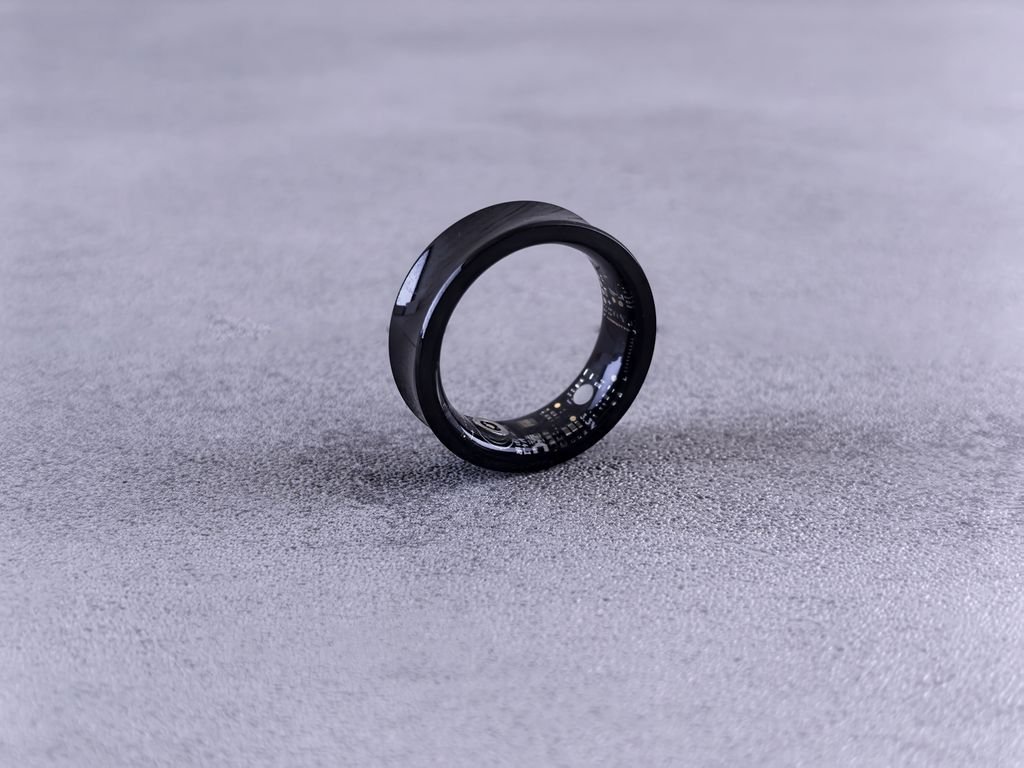
Smart rings are having a moment. Walk into any gym or office in 2026 and you will spot one: a plain titanium band on someone’s finger, quietly tracking sleep, heart rate, and recovery. Samsung and Oura are fighting over the category, new brands arrive every few months, and sales keep climbing. But are smart rings actually worth your money, or are they an expensive gadget looking for a problem?
The honest answer depends on what you want the ring to do. For some people, it is the best health gadget they have ever owned. For others, it is a $400 mistake. Here is how to tell which group you are in.
What a Smart Ring Actually Does
A smart ring is a small health tracker worn on your finger. Inside the band sit tiny sensors: an optical heart-rate sensor, a skin temperature sensor, and an accelerometer. There is no screen, no speaker, and no buttons. Everything the ring measures is sent to an app on your phone, where it becomes sleep scores, readiness scores, and daily trends.
Most rings track the same things: sleep length and quality, resting heart rate, heart-rate variability (HRV), skin temperature changes, steps, and an overall “readiness” score that tells you whether today is a good day to train hard or take it easy.
What they do not do matters just as much. A smart ring cannot show notifications, play music, make calls, or guide you through a run with GPS. If you want a device that does everything, that is a smartwatch’s job. A ring does one thing: it watches your body, quietly, all day and all night.
The Short Answer: Who Should Buy One?
Yes, it is worth it if: your main goal is better sleep and recovery data, you hate wearing a watch to bed, you want health tracking without constant notifications, or you want temperature-based cycle tracking without a wrist device.
No, skip it if: you want GPS for running, you want to see messages and calls on your body, you train with heavy weights every day, or you are on a tight budget and already own a decent smartwatch.
That split explains almost every disappointed buyer.
Why Sleep Tracking Is the Real Reason to Buy
Sleep is where smart rings genuinely beat smartwatches. A watch is bulky, its strap gets sweaty, and most watches need charging every night — exactly when you are supposed to be wearing them to track sleep. A ring weighs a few grams, disappears on your finger, and lasts six to ten days on a charge, so you simply wear it and forget it.
The accuracy is better than most people expect. Oura, the most-studied brand, published research comparing its ring against sleep-lab equipment across 440 nights: sleep-versus-wake detection agreed 96% of the time, and four-stage sleep classification agreed 79%. That is strong for a consumer device, though it is still not a medical diagnosis — treat the sleep-stage breakdown as a trend, not a lab result.
The Subscription Trap: The Real Cost Is Not the Price Tag
Here is the part most buyers miss. The sticker price is only half the cost.
Oura, the best-known brand, charges $5.99 a month (about $72 a year) for a membership. Without it, the app shows only three basic daily scores — no detailed sleep stages, no HRV trends, no temperature insights. The Oura Ring 5 costs around $399 to $499, so over three years you are really paying roughly $610 to $710.
Samsung’s Galaxy Ring, RingConn, Ultrahuman, and Amazfit charge no monthly fee. Their core tracking is free from day one. That is the strongest argument for looking beyond Oura.
Smart Ring vs Smartwatch
For sleep, the ring wins. It is lighter, it does not keep you awake, and its battery lasts days instead of a single day. Most owners say the sleep data is better than a watch because they actually wear the ring every night.
For active training, the watch wins. Rings are passive trackers. They count steps roughly, estimate calories loosely, and cannot show your live heart rate during a workout or map your run. Heavy lifting with a ring on can also pinch your finger.
The Best Smart Rings to Buy in 2026
Oura Ring 5 — best overall, if you accept the subscription. Around $399 to $499, battery lasts six to nine days, with the most accurate sleep staging and the most polished app. The catch is the $5.99 monthly membership.
Samsung Galaxy Ring — best for Samsung phone owners. Around $399, battery lasts up to seven days, and there is no subscription. The catch: it is Android-only, and its best features need a Samsung Galaxy phone.
RingConn Gen 2 Air — best value with no subscription. Around $199, battery lasts up to ten days, and every feature is included in the price.
Ultrahuman Ring Air — best for training and metabolic health. Around $349, no subscription for core features, and strong on recovery and strain.
Amazfit Helio Ring — best budget entry point. Around $299, no subscription, and a sensible first ring if you want to try the category without spending $400.
Prices change often, so check the latest price before you buy. Order the free sizing kit first — ring sizes are not the same as your usual ring size, and your fingers swell and shrink through the day.
The Things Nobody Tells You Before Buying
Durability. Titanium rings scratch. If you lift weights, rock climb, or work with your hands, expect scuffs within weeks. Some owners buy a cheap silicone cover for gym sessions.
Your data lives in an app, not on the ring. Your sleep, heart rate, and temperature data sit on a company’s servers — check that you can export or delete your data before you buy.
So, Are Smart Rings Worth It in 2026?
For sleep and recovery tracking, yes — a smart ring is the best tool for the job, and 2026 is the first year the category has genuine competition at every price. The no-subscription options from Samsung, RingConn, Ultrahuman, and Amazfit mean you no longer have to rent your own health data month after month.
But a smart ring is a specialist, not an all-rounder. If you want GPS, notifications, and workout screens, buy a smartwatch and save the money. If you want to understand your sleep and forget you are wearing a tracker at all, a smart ring earns its place on your finger — just buy the no-subscription one unless you specifically want Oura’s app.
Frequently Asked Questions
Is a smart ring worth it in 2026?
For sleep and recovery tracking, yes. For step counting, calories, and workouts, no — a smartwatch does those better.
Do smart rings require a subscription?
Oura charges $5.99 a month for full features. Samsung Galaxy Ring, RingConn, Ultrahuman, and Amazfit include their core tracking free, with no monthly fee.
Can a smart ring replace a smartwatch?
No. A ring cannot show notifications, track GPS workouts, or make calls. Many owners wear both: a watch during the day and a ring at night.







2 thoughts on “Are Smart Rings Worth It in 2026?”
Comments are closed.