Water Damage: Causes, Prevention, and Complete Restoration Guide
Water damage is a common problem that can seriously affect homes and businesses if not dealt with quickly. This occurs when excess water enters the building and damages walls, floors or furniture. This problem can be caused by a leak, flood, or broken pipe. If ignored, it can lead to mould growth and costly repairs. Knowing the basics, causes, and early warning signs of water damage can help protect your property. In this guide, you’ll learn simple, effective ways to prevent and manage damage using modern restoration techniques and smart maintenance tips.
Common Causes of Water Damage
Water injury can have a bunch of causes, and most of them start with small problems. Leaky pipes are one of the main causes, especially in older plumbing systems. During heavy rains, water can enter the structure due to roof leaks. Poor drainage systems can allow water to collect around the foundation, which can lead to serious problems. Household appliances such as washing machines and dishwashers can leak if they are not maintained properly. In some cases, natural disasters such as floods can cause sudden and severe damage. Early detection of these causes can reduce risks and repair costs.
Types of Water Injury
Not all water Injury is the same, and understanding the types is important for proper treatment. Clean water damage comes from a safe source such as a broken pipe or rainwater. Grey water damage contains some contaminants, often from appliances or sinks. Black water damage is the most serious because it comes from sewage or floodwater full of harmful bacteria. Each type requires a different level of cleaning and restoration. Knowing the category helps you choose the right solution and avoid health risks.
Signs and Symptoms of Water Damage
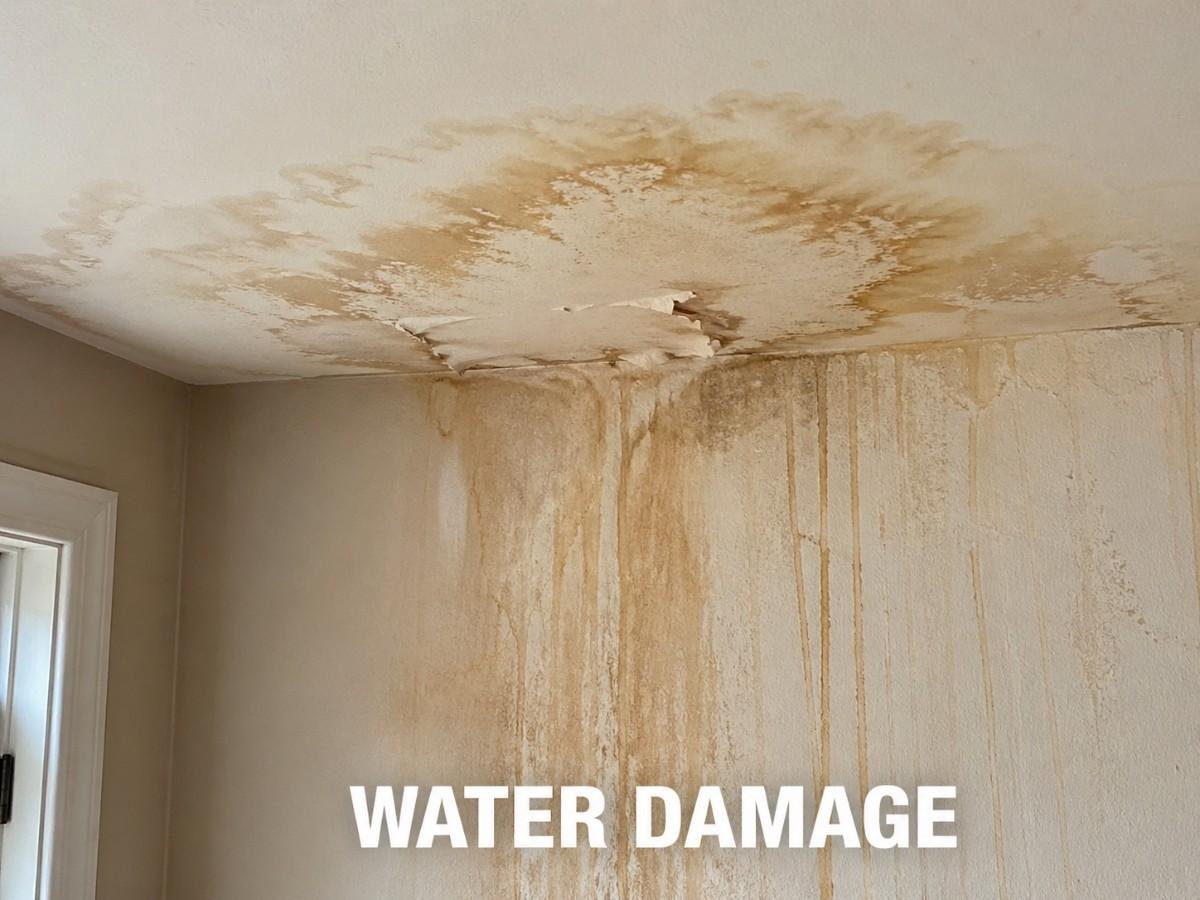
Early detection of water damage can save time and money. Common signs include spots on the ceiling or walls that appear as yellow or brown spots. An unpleasant odour is another warning sign that is often associated with hidden moisture and mould. Peeling paint, burnt wallpaper or warped floors also indicate a moisture problem. In severe cases you may notice cracks or weak structures in the walls. Regular check-ups help detect these problems before they become serious.
Effects of Water Damage
The impact of water injury goes beyond the visible destruction. The structure of the building may weaken, making it unsafe over time. Damp conditions promote mould growth that can cause health problems such as allergies and respiratory problems. Furniture, electronics and personal belongings can also be damaged. If not repaired quickly, the damage can spread and increase costs. That is why immediate action is needed to protect property and health.
Water Damage Prevention Tips
Prevention of water problem is always better than repair… Regular plumbing inspections can help detect leaks early. Cleaning your gutters and ensuring proper drainage keeps water away from your home. Installing water leak detectors is a smart way to monitor humidity. Sealing cracks in walls and ceilings can also prevent water from entering. Proper equipment maintenance reduces the chance of unexpected leaks. These simple steps can save you the cost of expensive repairs.
Water Damage Restoration Process
Water issue restoration consists of a bunch of important steps. First professionals will examine the affected area to assess the extent of the damage. The water is then extracted using advanced equipment. Drying and dehumidification remove residual moisture. It should then be cleaned and sterilised to keep the area safe and free of bacteria. Finally, repairs and renovations return the property to its original state. This process requires experience and the right tools to achieve effective results.
DIY vs Professional Water Damage Repair
When dealing with water damage, some simple problems can be solved at home… Small leaks or wet areas can be dried with fans and adequate ventilation. However, significant damage requires professional help. Experts have the equipment and experience to handle large-scale problems safely. They can prevent further damage and ensure a full recovery. The choice between manual services and professional services depends on the severity of the situation.
Cost of Water Damage Repair
The cost of water damage restoration depends on a bunch of factors. The size of the affected area, the type of injury, and the materials involved all play a role. Minor repairs can be affordable, while major restoration can be costly. Insurance coverage can help reduce costs if the damage is covered by the policy. Regular maintenance and early detection can also reduce overall costs by preventing serious damage.
Conclusion
In summary, water damage is a serious problem that requires immediate attention and proper care. From minor leaks to major floods, the effects can be detrimental if ignored. By understanding the causes, signs and prevention methods, you can protect your property and reduce risks. Regular maintenance and timely repairs play a big role in avoiding costly problems. Whether you choose DIY solutions or professional services, early action is always the best way to keep your home safe.
(FAQs)
1. What is the main cause of water damage?
The most common cause is leaking pipes, but it can also be caused by flooding, roof leaks or faulty appliances.
2. How quickly can water damage be repaired?
It must be treated immediately to prevent mould growth and further structural problems.
3. Can water damage be completely repaired?
Yes, most damage can be repaired effectively with proper restoration methods.
4. Is water damage harmful to health?
Yes, it can lead to mould and bacteria that can cause health problems.
5. Does the insurance cover water damage?
This depends on your policy and the cause of the damage.