Complete Guide to Solar Inverter Types, Working, Benefits, and Buying Tips(2026)
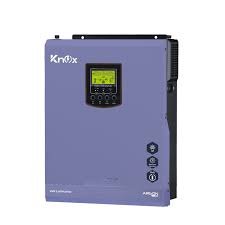
Solar inverters are the primary component of any green energy system. Solar panels generate DC power, which they convert into AC electricity for appliances in the house. Solar panels are unable to power lights, fans, fridges, etc. without a converter.
Smart energy choices are gaining popularity due to rising prices for electricity and blackouts of electricity. Excellent solar inverters boost energy efficiency, lower electricity bills, and provide stable backup power. Identifying the right inverters benefits solar energy utilization for either residential or business usage.
Solar Power System Inverter Function
Solar inverters convert solar panel DC electricity into AC power. Solar panels generate DC current from sunlight. However, AC powers household appliances.
Advanced switch gadgets convert DC energy into stable current in the sunlight inverter unit. Power is synchronized via the electric grid in grid-tied systems. Off-grid systems store energy in batteries for assistance. MPPT (Maximum Power Point Tracking) optimizes energy output and system efficiency for current inverters and their
Different Solar Inverters for Homes and Businesses
The market offers several solar inverter systems:
1. Three inverters connect the panels in sequential order. A good fit for small to medium installations.
2. Each panel has a microinverter for more effective inspection and efficiency.
3. A hybrid inverter combines solar and battery energy.
5 On-grid inverters lower electric costs by working with the power system.
6. Off-Grid Inverter—For remote areas without power.
The right type depends on power, location, and budget.
Important Solar Inverters Features
Consider these characteristics when buying a solar inverting device:
- Over 95% conversion rates
- Built-in MPPT charge controller
- Batteries compatible
- WiFi/mobile app sophisticated surveillance
- Short-circuit and overload safety
- Long warranty
A reliable inverter protects appliances from power fluctuations and stabilizes voltage.
Benefits of Home Solar panel Installation
Installing a solar inverter has many benefits:
- Cheaper electricity
- Independent vitality
- Green generating electricity
- Reliable load-shifting safeguard
- Rising a property’s value
It reduces carbon footprint and promotes clean energy. The security of energy and reductions pay for the money invested over time.
What’s the Difference Between Solar and Normal Inverters?
Solar panels are often confused with those that are conventional. A typical voltage converter holds electric power from the grid and backups while there are outages.
Solar panels directly connect to a solar inverter that converts solar energy into power. It promotes energy from renewable sources and reduces grid dependence. That makes it cheaper over time.
How to Pick the Right Solar panel
Choose the best solar panel by considering:
- Total watts of power load
- Choose an on-grid, rural, or hybrid system.
- Verify battery type and capacity
- Compare evaluations of efficiency
- Choose the company, SMA Solar, or Growatt as your vendor for reliability.
Expert mounting and dimensions maximize both efficiency and reliability.
Common Solar panel Issues and Maintenance
Overheating, low battery charging, and exhibit problems can affect solar inverters like any electrical appliance.
To maintain effectiveness,
- Keep it ventilated.
- Clear dust regularly.
- Track performance of the system with the app
- Make yearly servicing checks
Proper care extends life and maintains power.
Conclusion
Every solar energy system relies on a solar inverter to convert sunlight into electricity. High productivity, constant electricity, and savings over time are guaranteed with the right model. A good solar inverter can provide backup power during outages and lower monthly bills. Proper maintenance and sizing can keep your system running for years and provide sustainable, renewable power for your dwelling or employer.
(FAQs)
1. What is the main solar inverter operating?
It converts solar panel DC electricity into the family’s AC.
2. How long do solar inverters last?
Inverter units last 8–15 years, depending on their performance and repairs.
3. Can solar inverters operate despite power sources?
On-grid systems work without electricity from batteries.
4. How big should my solar inverter be?
Total kitchen appliance use and daily usage of electricity determine it.
5. Is solar inverter acquisition worthwhile?
Yes, it lowers electricity costs and saves energy over time.